Vintage Flying Experiences
If you are, or you know anyone who is a vintage aviation enthusiast, then you have come to the right place. Our superb selection of vintage flying experiences will make anyone interested in vintage planes burst with excitement at the thought of being able to get into one of these fantastic and historical aeroplanes.
With a wide range of aircraft to choose from, these experiences make for the perfect gift to a vintage plane enthusiast. For something really special take a look at the Tigers and Tracks voucher which is one of the best flying experiences in the South East.
Fly A Tiger Moth Plane
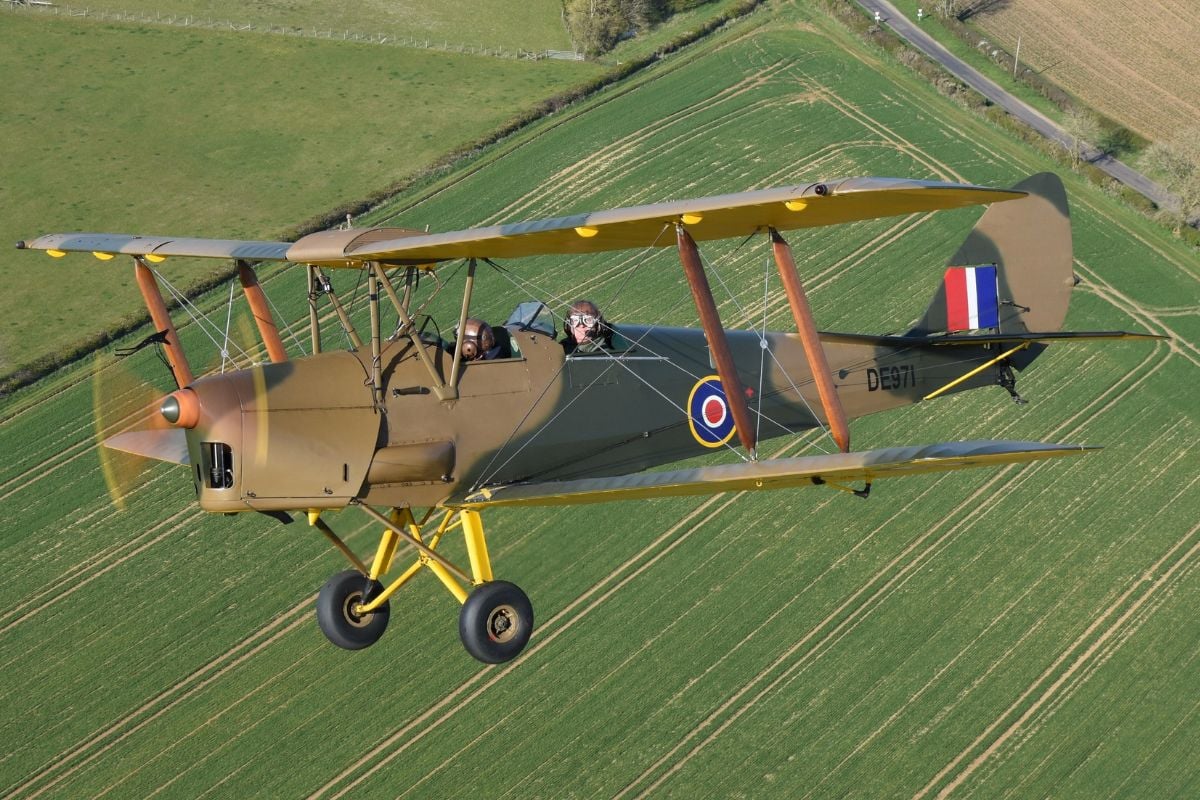
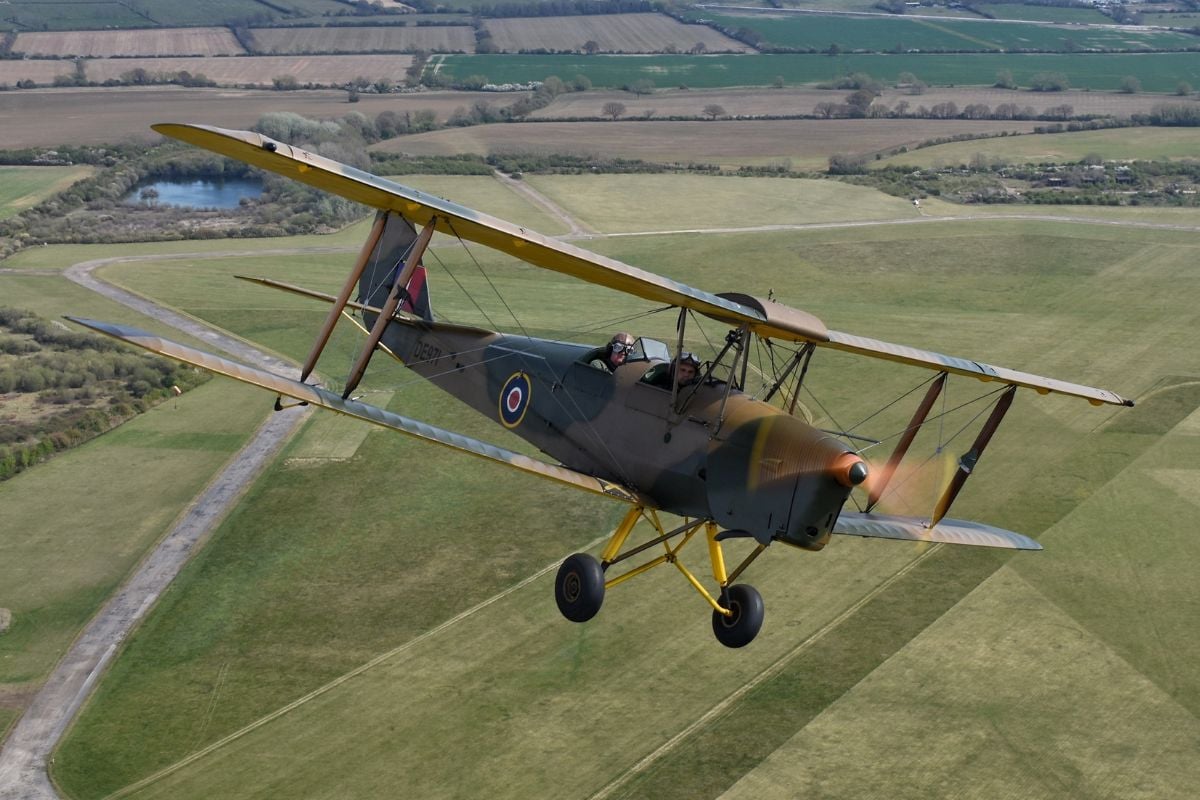
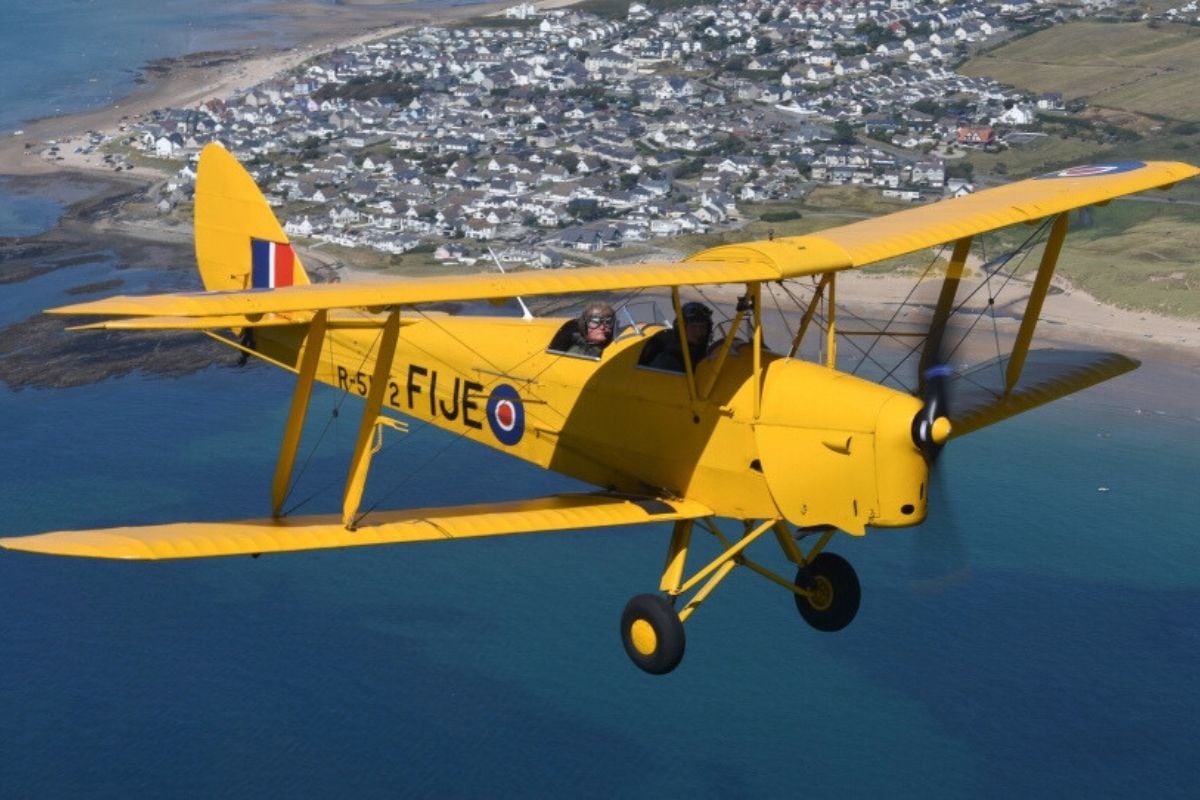
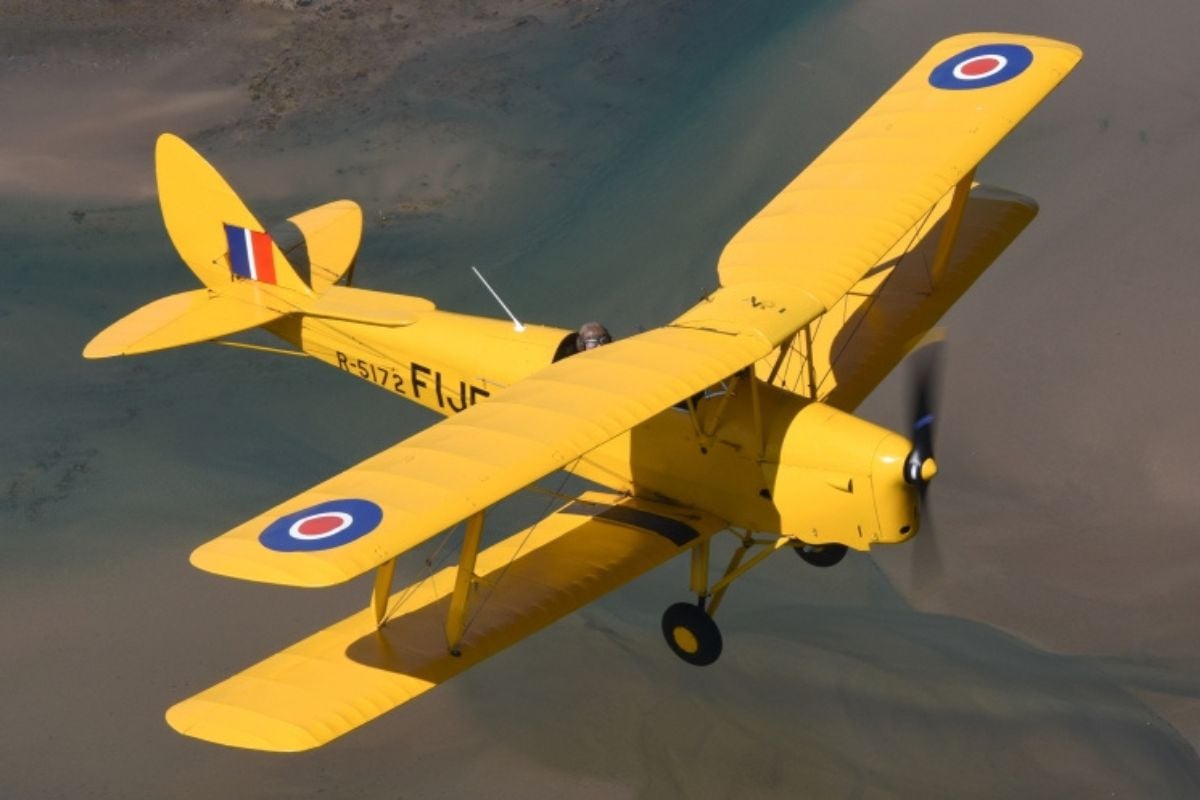
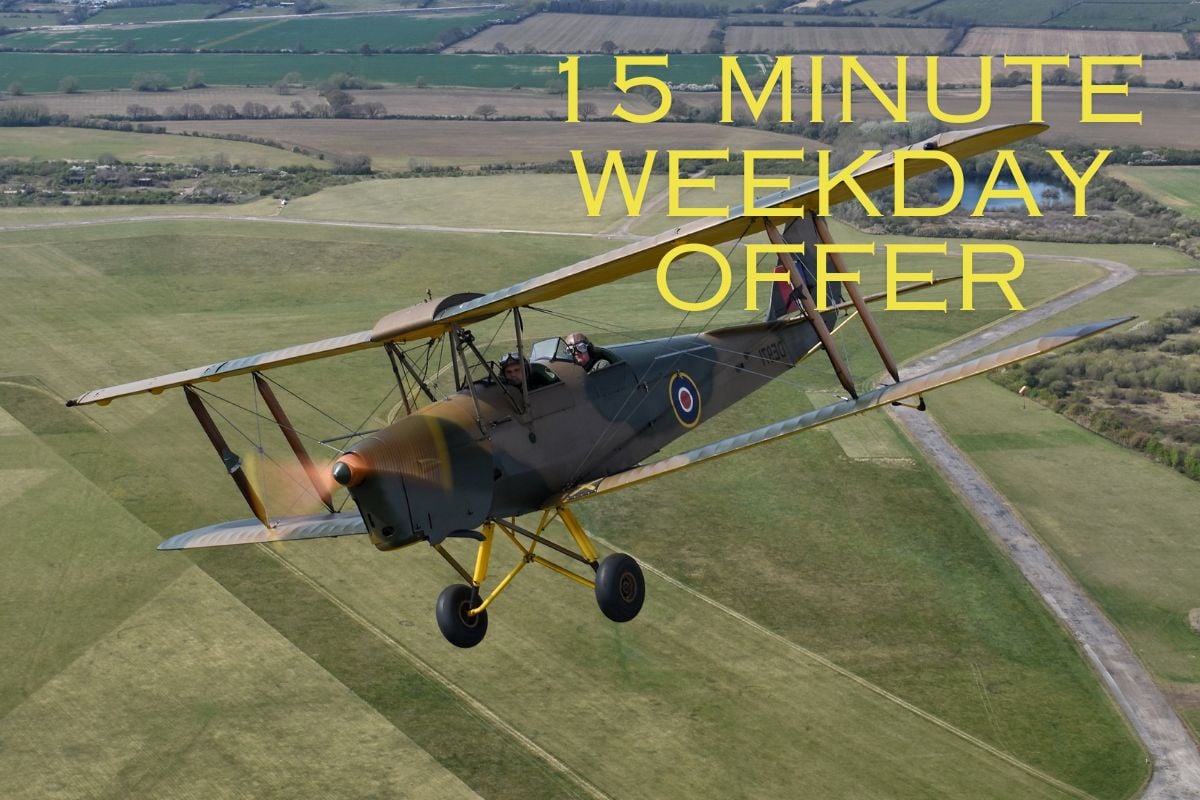
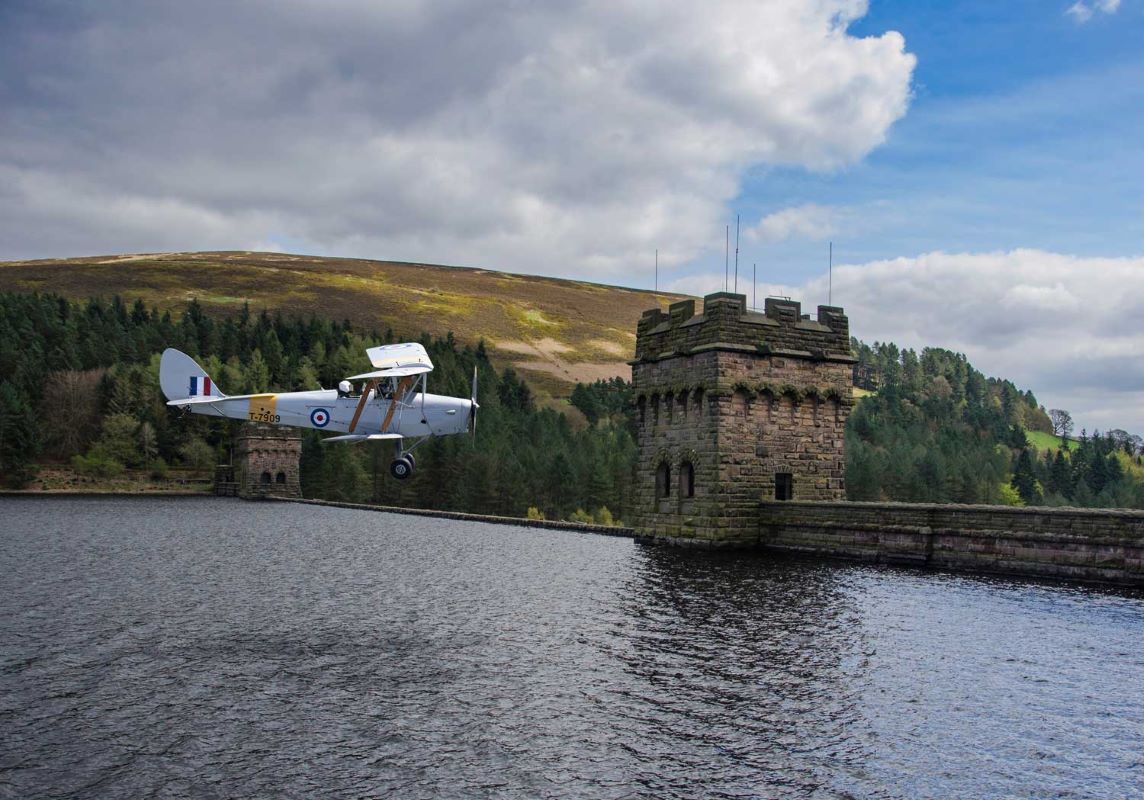
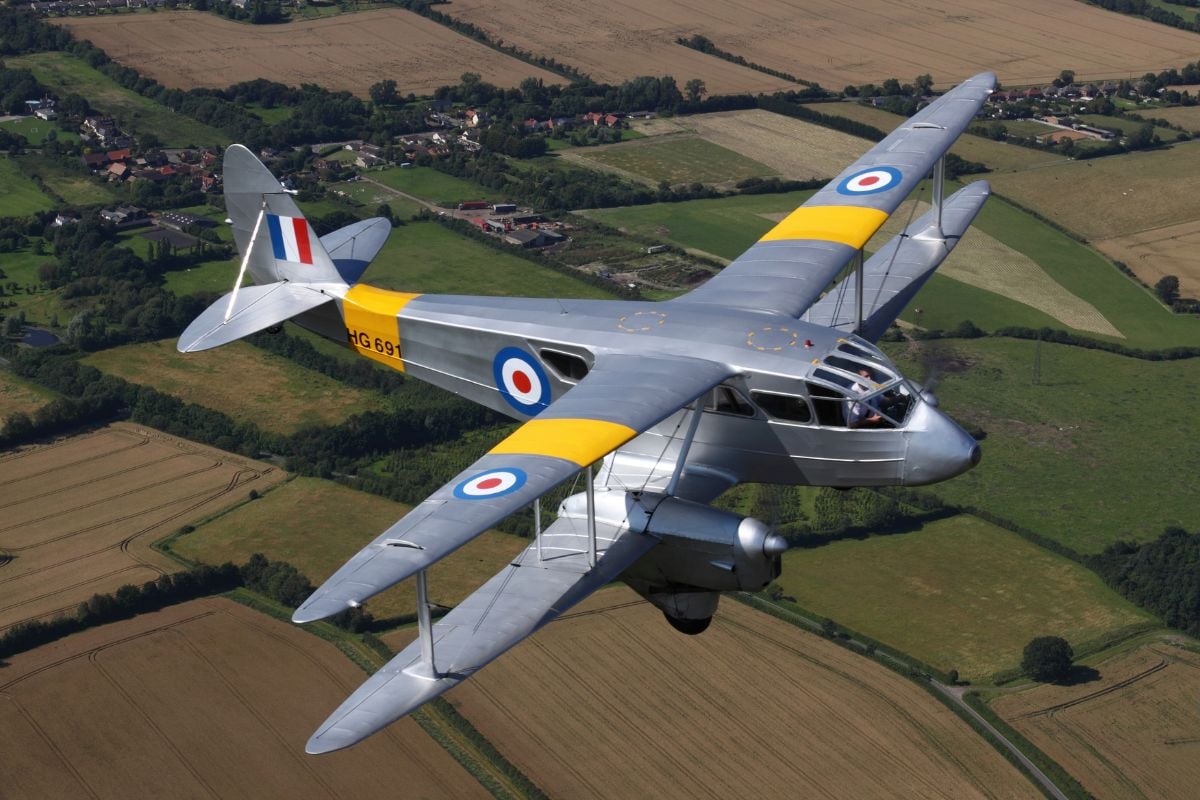
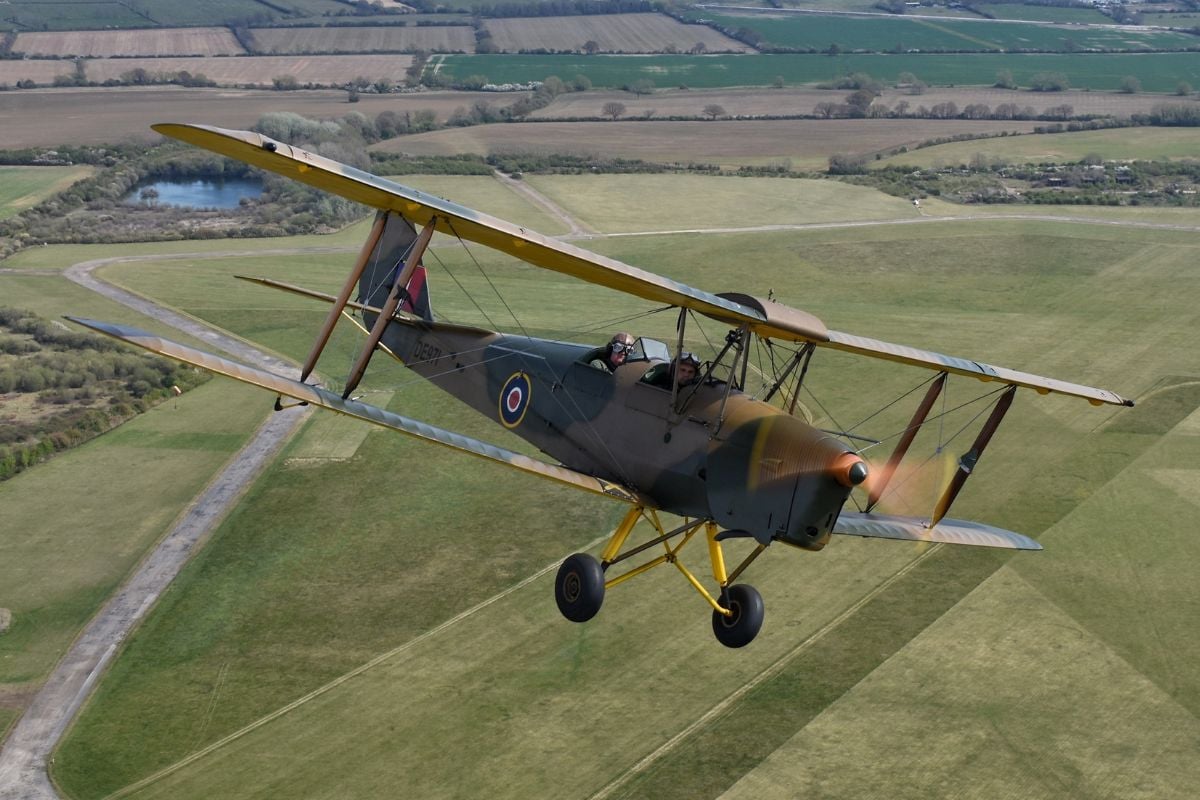
Step back in time and fly one of these iconic aircraft. First flown in 1931, the Tiger Moth is probably the best-known training plane of all time. With an open cockpit and a capacity of only two people, the Tiger Moth gives you the chance of getting a real appreciation of the thrill of flight. The chance to fly one of these special aircraft does not come round often, so take advantage of our fantastic prices and book a vintage flying lesson today.
Our fantastic Vintage flying lessons give you or a lucky friend the chance to take to the skies and fly in on one of these iconic, historical aircraft. Get geared up in the classic leather jacket and goggles and feel the nostalgia as you glide over the stunning British countryside in one of these beautiful vintage planes. The opportunity to fly one of these authentic vintage planes does not come around often; it takes a clever, skilled and dedicated team to keep these vintage planes alive and suitable for flying. So don't let this fantastic opportunity drift by!
Bird's Eye View
Nothing beats the thrill of heading skywards and being in the cockpit of a vintage plane makes it even more special. However, the unforgettable experience starts by meeting your pilot. A brief operational and safety briefing then follows whilst enjoying a nice hot cup of tea or coffee. Then it's chocks away as the plane's engine roars into life and you're taxiing towards the runway ready for take-off.
The Sky's the Limit
What could make a 30-minute flight in a classic plane even more enjoyable? Spending it with a youngster, of course! Our 30-minute flight in a classic aircraft for one adult and one child is the perfect way to enjoy some beautiful views high above the English countryside. But that's not all. To make it truly memorable, each participant is given a headset and can listen to the control tower and other nearby aircraft. It's almost as if you're flying the aircraft yourself.
Stunning Scenery
Is there a better way to enjoy spectacular countryside and important historical sites than from the air? We don't think so. The routes on our 30-minute flight in a 1940s classic aircraft for two fly over some iconic landmarks, including the world-famous Warwick Castle and stately Blenheim Palace. You'll have plenty of time to take in the views before heading back to earth and reliving the magical memories with family and friends.
Flying Lesson
For pure excitement, then look no further than our 30-minute bi-plane pilot lesson for one. The flying action takes place in an open cockpit deHavilland Tiger Moth, complete with goggles, helmet and sheepskin jacket for total authenticity. This is a once-in-a-lifetime opportunity to spoil yourself or book it as a gift for a loved one, family member or friend. You won't want the experience to end.
Vintage Thrills
Whatever package you decide upon, sky-high thrills are guaranteed, leaving you wanting more. Don't delay, the sooner you book a vintage flying experience, the sooner you'll be in the air.






 View for locations